Health and Safety Policy for Landscaping Honor Oak
 Landscaping Honor Oak is committed to maintaining a safe, healthy, and well-managed working environment for employees, contractors, clients, and visitors. This policy sets out the standards that guide our day-to-day operations, helping to reduce risks associated with outdoor work, machinery use, manual handling, weather exposure, and site activity. Our approach is built on prevention, clear communication, and responsibility at every level.
We recognise that landscaping work can involve a wide range of hazards. These may include moving equipment, sharp tools, uneven ground, soil disturbance, falling debris, and the use of chemicals or fuel. To manage these risks, landscaping health and safety measures are integrated into planning, supervision, and on-site behaviour. Safe work is not treated as an optional extra; it is a core part of how we operate.
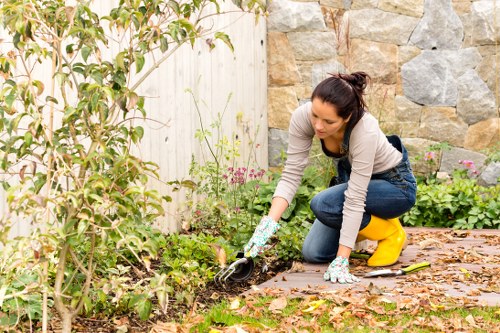 Every project begins with a risk assessment appropriate to the task and location. Hazards are identified before work starts, and control measures are put in place to reduce the chance of injury or damage. This may involve setting safe work zones, isolating machinery when not in use, checking ground conditions, or adjusting tasks to suit changing weather. Good preparation helps prevent incidents and supports efficient work.
All workers are expected to follow safe systems of work and use equipment properly. Tools and machinery must only be operated by trained and authorised personnel. Protective equipment, where required, must be worn and kept in good condition. This may include gloves, eye protection, hearing protection, safety footwear, and high-visibility clothing. Personal protective equipment is an important last line of defence, but it does not replace careful work practices.
Manual handling is a significant concern in landscape work. Lifting soil bags, moving materials, transporting plants, and handling hardscape components can place strain on the body. The policy therefore requires staff to assess loads before lifting, use mechanical aids when available, and seek assistance with awkward or heavy items. Safe lifting techniques, task rotation, and sensible work pacing are essential to reduce the risk of musculoskeletal injury.
 The use of plant, power tools, and site vehicles must be controlled with particular care. Pre-use checks are required to ensure equipment is in safe working order, with defects reported immediately and faulty items removed from service. Fuel, batteries, blades, and other components must be handled according to manufacturer instructions. Machine safety depends on proper maintenance, clear operating procedures, and awareness of surroundings at all times.
Weather and environmental conditions can strongly affect safety in landscaping work. Heat, cold, rain, wind, ice, and poor visibility may all create additional hazards. Work plans must be reviewed when conditions change, and tasks should be paused or adapted if safety could be compromised. Adequate hydration, warm clothing, sun protection, and rest breaks are essential where conditions require them. A flexible approach protects both people and productivity.
We also place importance on maintaining orderly work areas. Slips, trips, and falls are among the most common causes of injury in outdoor environments. Materials, hoses, cords, and waste must be managed so that pathways remain clear and workspaces remain organised. Housekeeping is everyone’s responsibility, and it contributes directly to a safer and more efficient site.
Where chemicals, fuels, or other potentially harmful substances are used, they must be stored, labelled, and handled carefully. Workers must follow relevant instructions and avoid unnecessary exposure. Spill prevention and clean-up measures should be available wherever these products are present. The aim is to protect people, property, and the surrounding environment while carrying out landscaping operations responsibly.
 Fire safety is another essential element of this policy. Fuel storage, refuelling practices, battery charging, and hot works all require attention to ignition sources and suitable controls. Fire extinguishing equipment, where provided, must be accessible and suitable for the likely risks. All personnel should know how to respond if a fire, spill, or other emergency occurs.
Training and supervision support safe behaviour across all landscaping activities. New staff receive induction on hazards, equipment use, reporting procedures, and emergency arrangements. Ongoing instruction is provided where tasks change or new risks are introduced. Supervisors are responsible for reinforcing standards and ensuring that work is carried out in line with agreed procedures.
Reporting and reviewing incidents is a vital part of continuous improvement. Near misses, injuries, equipment failures, and unsafe conditions must be reported promptly so that action can be taken. Lessons learned are used to strengthen controls and reduce the likelihood of repetition. A strong safety culture depends on openness, prompt response, and follow-through.
 Everyone working under Landscaping Honor Oak shares responsibility for safety. Managers must provide suitable resources, planning, and oversight. Workers must take care of themselves and others, follow instructions, and speak up about hazards. This shared commitment helps ensure that landscaping tasks are completed efficiently while protecting health, safety, and wellbeing.
In summary, this health and safety policy reflects our commitment to managing risk in a practical and consistent way. By planning ahead, using equipment correctly, maintaining high standards, and responding quickly to changing conditions, landscape safety remains central to every project. Our goal is to create outdoor spaces with care, professionalism, and respect for the people involved in the work.